
Equipo
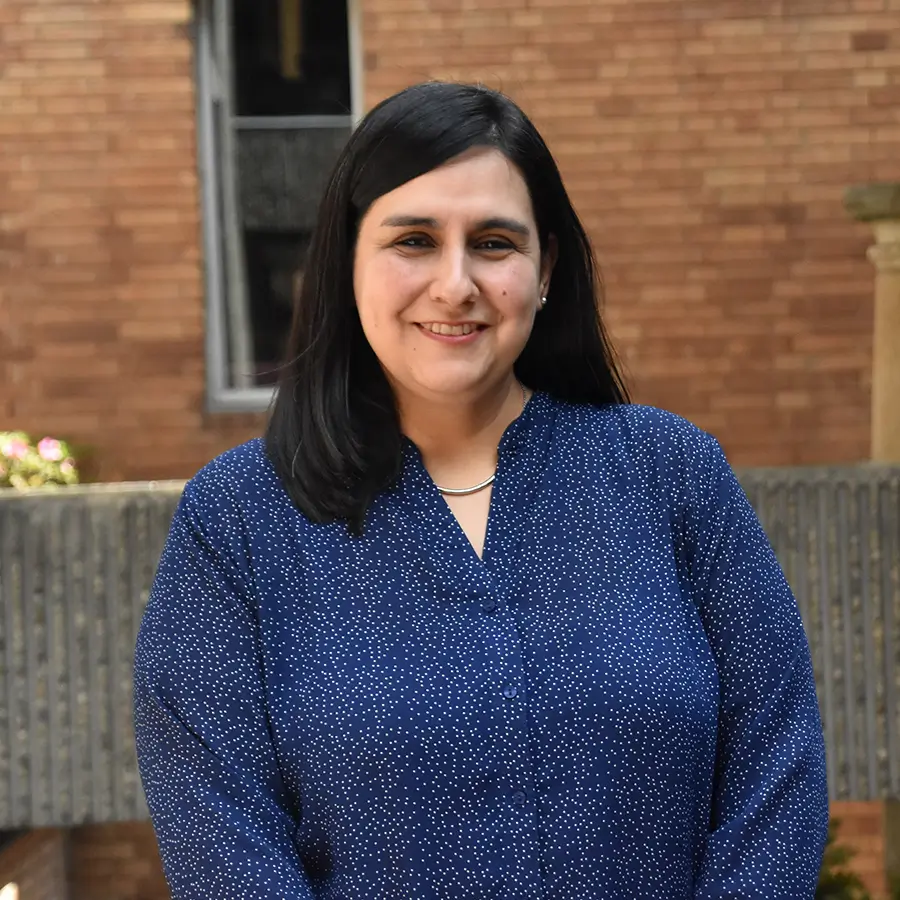
Angelica Vargas
Consultant
Psychologist from the Universidad Nacional de Colombia, Specialist in Occupational Hygiene and Health from the Universidad Distrital Francisco José de Caldas, and Magíster in Public Health from the Universidad El Bosque. She is a Research Professor at the Instituto de Salud Pública of the Pontificia Universidad Javeriana. Her professional experience includes advisory, consultancy, research, and teaching in the areas of occupational health, workplace psychosocial factors, and mental health.
She has coordinated national-level technical development projects for the Ministerio de Trabajo (Colombian Ministry of Labor), focusing on occupational health and safety and psychosocial risk factors. These projects include the Battery of Instruments for the Assessment of Psychosocial Risk Factors and the Guidelines and Protocols for the Promotion and Intervention of Psychosocial Factors and Their Effects on the Working Population. She has also collaborated with the Ministerio de Salud y Protección Social (Colombian Ministry of Health and Social Protection) on mental health initiatives, including developing the Guidelines for Strengthening Teleorientation in Mental Health. Her research focuses on mental health among migrants and populations affected by armed conflict.
Artículos y noticias
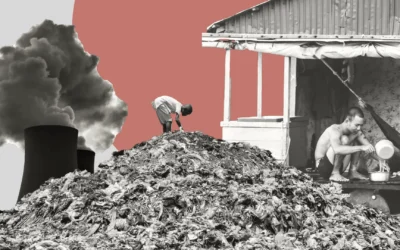
Los efectos del cambio climático en la salud pública: un desafío bajo la lupa de investigadores javerianos
Un fenómeno natural cambió la historia de las islas San Andrés y Providencia, pues el paso de Huracán Iota en noviembre de 2020 arrasó con casi el 80% de su infraestructura, dejando a su paso...

CLIMAS HUB interview on the Bitácora program.
We were featured on the Bitácora program on the Pontificia Universidad Javeriana radio station, where we held a discussion where we expanded on the objective, thematic lines, and scope of the CLIMAS...
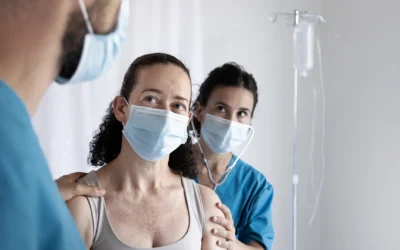
Gender Inequities in the Impact of Climate Change on Health: A Scoping Review
In the 21st century, climate change has emerged as a critical global public health challenge. Women experience the most severe impacts of climate change, intensifying pre-existing gender inequalities.